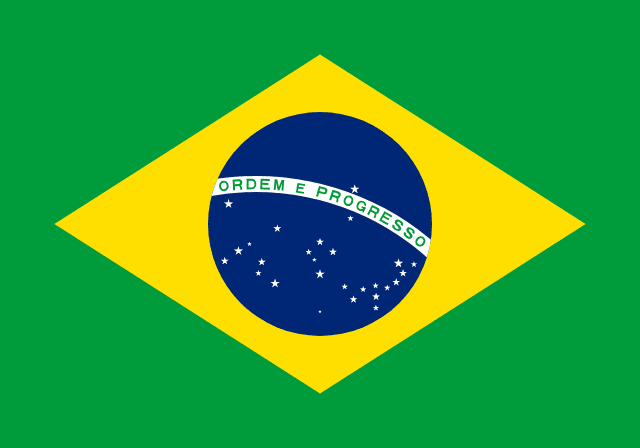
United States of Brazil
The only South American nation to send combat troops to Europe, deploying the 25,000-man Brazilian Expeditionary Force (FEB) to smash German defenses at Monte Castello in the rugged Italian Apennines.
Historical Strategic Overview & War Effort: United States of Brazil
The geopolitical posture of United States of Brazil during World War II represented a critical strategic dimension of the global conflict. Governed from its political capital at Rio de Janeiro, national high command and supreme executive authority were directed under President Getúlio Vargas (Estado Novo). Formally aligned within the NEUTRAL, United States of Brazil occupied a central geostrategic position that directly shaped operational theaters and alliance logistics throughout World War II (1939–1945). As recorded in military archives, The only South American nation to send combat troops to Europe, deploying the 25,000-man Brazilian Expeditionary Force (FEB) to smash German defenses at Monte Castello in the rugged Italian Apennines. With a wartime population of approximately 41,000,000 citizens, national policy integrated military mobilization with diplomatic defense, sustaining territorial integrity against unprecedented industrial warfare.
Order of Battle, Force Structure & Military Doctrine
The operational ground forces of United States of Brazil rested upon a total mobilized manpower strength of approximately 100,000 active soldiers. Field armies and corps formations formed the backbone of defensive resilience, deployed in fortified trench systems, frontier garrisons, and mobile reserve divisions. Mechanized warfare assets and armored fighting capabilities deployed approximately 40 armored combat vehicles and tanks, tasked with tactical breakthrough support, counter-attack thrusts, and infantry coordination across frontline sectors. In aerial and maritime dimensions, national military commands deployed 100 combat military aircraft, conducting crucial tactical reconnaissance, artillery spotting, and combat interception. Naval power marshaled 15 naval warships, 4 operational submarines, tasked with securing maritime sea corridors, guarding naval anchorages, and interdicting hostile logistical lines. Operational military doctrine emphasized South Atlantic Anti-Submarine Warfare, 1st Infantry Division Alpine Assault in Italy, Natal Air Base Allied Trampoline. Operational planning and strategic field maneuvers were directed by prominent military commanders including President Getúlio Vargas, General Mascarenhas de Morais, General Zenóbio da Costa.
War Economy, Industrial Mobilization & Logistics
Underpinning United States of Brazil's armed mobilization was a wartime gross domestic product evaluated at approximately $20 Billion. Mobilizing the domestic industrial economy required centralized state coordination, channeling heavy metallurgical foundries, armaments factories, chemical laboratories, and agricultural production into total war output. Weapons manufacturing supplied frontline forces with specialized combat equipment, prominently including P-47 Thunderbolt (1st Fighter Squadron), M4 Sherman Tank, M1 Garand Rifle, Bahia-class Cruiser. Sustaining sustained combat operations demanded resilient logistical distribution networks. Strategic railroad lines, maritime freight convoys, and motorized vehicular columns maintained a continuous supply of small-arms ammunition, artillery shells, uniforms, medical stores, and food rations to forward echelons. Despite industrial bottlenecks, economic blockade pressures, and resource shortages, national logistical networks sustained the armed forces across years of continuous attritional struggle.
Key Military Campaigns, Theaters & Operational History
Frontline forces of United States of Brazil took part in major tactical and strategic campaigns across crucial combat zones during World War II. Operational records detail active engagement in pivotal operations, notably Battle of Monte Castello (1945), Battle of Montese, Battle of Collecchio (Surrender of 148th German Infantry Div). Troops endured extreme environmental pressures, intensive artillery barrages, and dynamic combat engagements that tested the endurance and tactical resilience of every deployed division. The human cost of the war was immense, with official historical archives recording approximately 943 Military Dead (465 FEB Soldiers, 478 Navy) battle deaths and 3,000 Total Casualties total casualties suffered throughout the conflict. The strategic sacrifice and battlefield conduct of United States of Brazil's armed forces contributed directly to the ultimate geopolitical resolution of the war. The combat lessons learned across these historic campaigns shaped post-war military doctrine, national remembrance, and the evolving geopolitical landscape of the modern era.
Home Front, Civil Governance & War Industry
Beyond frontline maneuvers and theater command decisions, sustaining national mobilization throughout World War II depended decisively upon domestic resilience, administrative coordination, and civilian perseverance. National executive leadership in Rio de Janeiro enacted centralized resource distribution controls, prioritizing grain allocations, medical supplies, fuel reserves, and industrial output to maintain military logistics. Civilian workforces—including thousands of women and youth entering agricultural production lines, textile depots, armament foundries, and logistics networks—formed the operational lifeblood of national defense. Vital transportation corridors, railway systems, and maritime ports were guarded under rigorous territorial security protocols against hostile intelligence operations and economic blockades, demonstrating that sovereign survival during World War II (1939–1945) was a collective societal endeavor.
Strategic Legacy & Modern Geopolitical Impact
The historical and military trajectory of United States of Brazil during World War II exerted an enduring influence on 20th-century geopolitical developments, international diplomacy, and operational warfare. The strategic experiences gained from frontline combat, combined-arms operations, and coalition logistics stimulated comprehensive defense reorganizations across peacetime military establishments. General Staff institutions and defense ministries re-evaluated tactical doctrines, artillery coordination, communications security, and aerial scouting based on battlefield realities encountered throughout the war. Furthermore, the wartime treaties, armistice conventions, and geopolitical border demarcations established in the aftermath of World War II (1939–1945) fundamentally shaped United States of Brazil's long-term regional security policies, international alliances, and modern sovereign identity.
Frequently Asked Historical Questions: United States of Brazil
What was United States of Brazil's total mobilized armed manpower during World War II?
United States of Brazil achieved a recorded peak military mobilization of approximately 100,000 personnel, complemented by 40 armored combat vehicles, 100 combat aircraft, and 15 naval warships, 4 operational submarines.
Which military alliance did United States of Brazil fight with in World War II (1939–1945)?
United States of Brazil was aligned with the NEUTRAL, actively fulfilling its coalition obligations through strategic deployments, territorial defense, and industrial war production.
Who served in supreme leadership and high command of United States of Brazil?
Political and military leadership was headed by President Getúlio Vargas (Estado Novo), operating in strategic coordination with senior staff officers and battlefield commanders including President Getúlio Vargas, General Mascarenhas de Morais, General Zenóbio da Costa.
What key military doctrines and weapons characterized United States of Brazil's war effort?
Military operations were governed by tactical doctrines emphasizing South Atlantic Anti-Submarine Warfare, 1st Infantry Division Alpine Assault in Italy, Natal Air Base Allied Trampoline, supported in combat by signature battlefield weaponry including P-47 Thunderbolt (1st Fighter Squadron), M4 Sherman Tank, M1 Garand Rifle, Bahia-class Cruiser.
How did domestic governance and the home front support United States of Brazil's war mobilization?
National administration established centralized resource management councils, coordinated domestic food rationing, protected vital railway and industrial supply routes, and mobilized civilian labor to maintain economic resilience throughout World War II.
What lasting geopolitical and military legacy did World War II leave on United States of Brazil?
Participation in the conflict reshaped United States of Brazil's strategic doctrine, accelerated modernization in military organization and equipment, and solidified pivotal international treaties and diplomatic relationships that defined its post-war defense posture.